
Screen printing typically uses a fabric stretched tightly over a frame. Images are created by blocking parts of the screen using various techniques. Ink is forced through the open areas of the screen onto the surface of the object. A separate screen must be created for each colour to be printed and colours must be applied in passes allowing drying time between each. This is commonly used method of printing on promotional items and apparel such as T-shirts.
Screen printing is more cost-efficient compared to digital printing because it can create large quantities of the design that you want at a faster turnaround. Higher volumes of identical graphics can also be mass produced using the screen printing process. This is what makes this the best printing option to use for larger orders.
Preparing the artwork in order for it to be used for screen prinitng:


Dye Sublimation is a digital print process whereby artwork is printed on a coated paper and then heat transferred onto specialised substrates or directly sublimated onto specialised substrates.
The most exciting part is that you get to design your branding from beginning to end, in the apparel world, sublimation is a game-changer. Customise any garment for almost any event - whether it be for outdoor or indoor activities. Sublimation is commonly used on field garments such as golfers, soccer jerseys, basketball tops, netball uniforms, and even rugby socks!
Preparing the artwork in order for it to be used for sublimation:


A design stitched onto a material using a high-speed, computer-controlled sewing machine. Artwork must first be “digitised”, which is the specialised process of converting two-dimensional artwork into stitches or thread. The digitiser must re-create the artwork using stitches then it programs the sewing machine to sew a specific type of design, in a specific colour, with a specific type of stitch. This process is known as digitising. Embroidery is commonly used on logo patches, apparel, caps or hats.
Preparing the artwork in order for it to be used for embroidery:


An etched plate is covered with ink and then wiped clean, leaving ink in the recessed areas. A silicone pad is then pressed against the plate, pulling the ink out of the recesses, and pressing it directly onto the product. Pad printing is most used on gifting products.
Preparing the artwork in order for it to be used for pad prinitng:

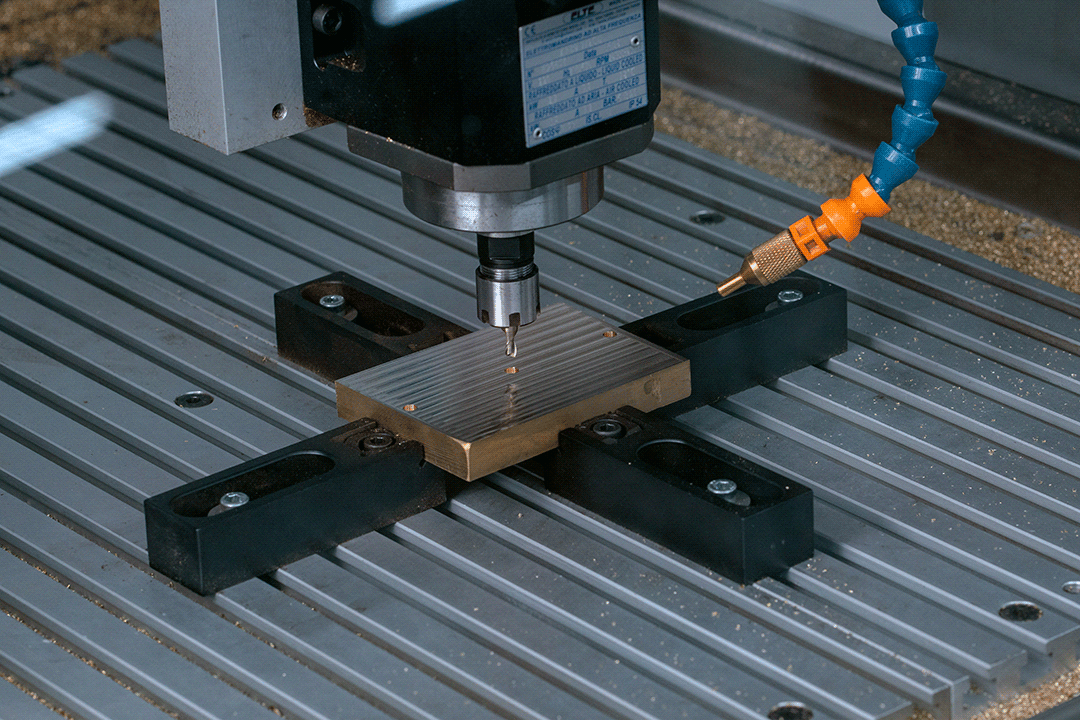
The process of permanently marking the surface of an item with a very high-intensity light source. Laser is divided into 2 main categories: CO2 laser which is cutting and marking on organic items (cork, wood, glass, plastic, and leather) and YAG laser which is used for marking metals. Laser Engraving is mostly used on gifting products.
Preparing the artwork in order for it to be used for laser engraving:

A thin layer of the Polyurethane resin is applied to a digital sticker, creating a 3D effect. Standalone products include dome stickers, name badges, key rings, zip pullers.
Preparing the artwork in order for it to be used for doming:

Stickers are digitally printed and automatically cut to shape. Stickers are then applied onto the products. Digi stickers can be applied to both smooth and rigid surfaces.
Preparing the artwork in order for it to be used for digital sticker:


A heat press is a machine engineered to imprint a design or graphic on a substrate, such as a t-shirt, with the application of heat and pressure for a set period of time. A heat press is used to permanently apply a heat transfer to a surface. Garments such as t-shirts that have been printed through heat transfer methods are of high quality and are long-lasting.
Preparing the artwork in order for it to be used for heat press:

A technique where a digital print is printed onto a special transfer paper and the product that is being branded is treated with a chemical before the logo is applied, the transfer paper is then placed onto the product, transferring the ink from the paper onto the product.
Preparing the artwork in order for it to be used for direct digital:
Debossing is produced by pressing a metal die in the shape of a logo or design into the surface of a product using both heat and pressure, creating a permanent stamped impression below the product’s surface, resulting in products looking chic and professional.
Preparing the artwork in order for it to be used for debossing:
Metallic foil is heat pressed onto hot surfaces by use of a metal block which is heated in a special foilery machine. The foil is pressed onto the surface of the item using heat, pressure and dwell time. Foiling is commonly used on Gifting Products.
Preparing the artwork in order for it to be used for foiling:
Screen printing typically uses a fabric stretched tightly (taut) over a frame. Images are created by blocking parts of the screen using various techniques. Ink is forced through the open areas of the screen onto the surface of the object. A separate screen must be created for each colour to be printed and colours must be applied in passes allowing drying time between each. This is commonly used method of printing on promotional items and apparel such as T-shirts.
Screen printing is more cost-efficient compared to digital printing because it can create large quantities of the design that you want at a faster turnaround. Higher volumes of identical graphics can also be mass produced using the screen printing process. This is what makes this the best printing option to use for larger orders.
Preparing the artwork in order for it to be used for screen prinitng: